 ramfit.mediverse@gmail.com





Mediverse Blog
জনাব হাসান (ছদ্মনাম), ৬০ বছর বয়সের একজন ডায়াবেটিক রোগী (গত ৫ বছর ধরে), আমাদের কাছে ভর্তি হয়েছিলেন ১০ দিনের মাথাব্যথা নিয়ে। উনার ভাষ্যমতে, তাঁর মাথার দু পাশে চাপ দিয়ে ব্যথা করে। অনেক সময় ঘাড়ের দিকে ব্যাথাটা যায়। রাতে কিছুটা ঘুম কম হয়। বেশিরভাগ সময় ব্যথা রাতেই বাড়ে। মাথা ঝুকালে, হাঁচি কাশি দিলে, সকাল বেলায় ব্যথা […]

Mediverse Blog
যাদের মাইগ্রেন আছে, সেরকম ৩০ লাখ রোগী নিয়ে একটি গবেষণা হয়েছে রিসেন্টলি, সেখানে তারা Analysis করেন যাদের মাইগ্রেন আছে তাদের মধ্যে স্ট্রোক এর সম্পর্ক কেমন, এবং যাদের স্ট্রোক বিশেষত Ishcemic Stroke হয়েছে এবং যাদের হয়নি এই দুই গ্রুপ থেকে এনালাইসিস করে দেখা গিয়েছে, Propranolol খেলে স্ট্রোক রিস্ক অনেক কমে যাচ্ছে বিশেষত যাদের Migraine without Aura […]
Mediverse Blog
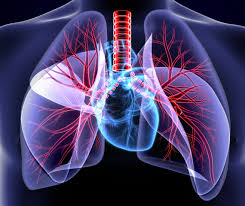
Cor pulmonale Cor pulmonale হলো right ventricle (RV) failure, যা chronic lung disease বা pulmonary hypertension-এর কারণে হয়। Right heart directly pulmonary circulation-এর উপর নির্ভরশীল, তাই lung-এর কোনো chronic disease যদি pulmonary vascular resistance (PVR) বাড়িয়ে দেয়, তাহলে RV-তে pressure overload হয়। এর ফলে RV hypertrophy, dilation এবং শেষ পর্যায়ে right heart failure (RHF) হয়। […]
Mediverse Blog
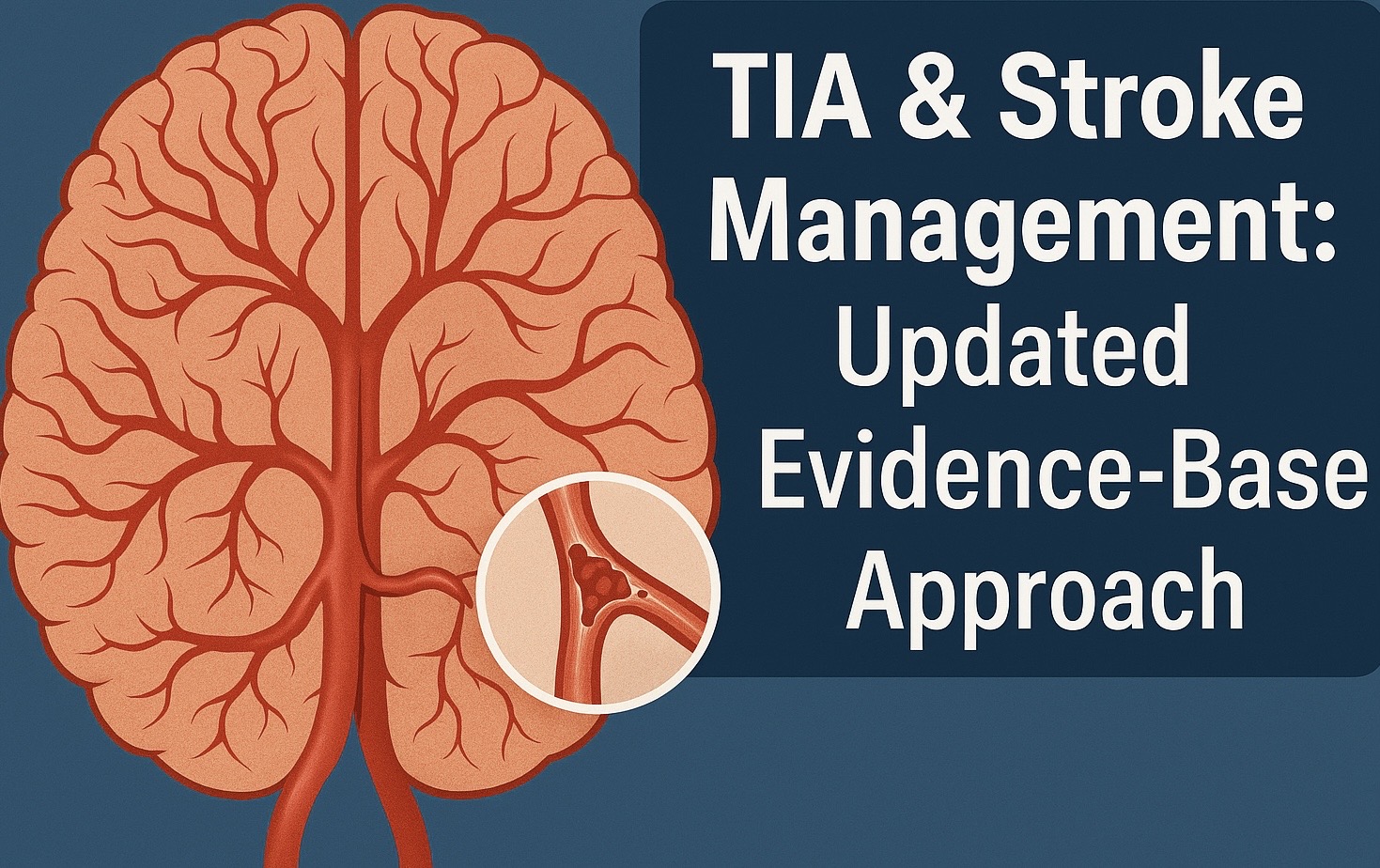
Transient IschemIic Attack (TIA) হলে, কখন কীভাবে Antiplatelet স্টার্ট করবেন? ✅ Latest guidelines বলছে, high-risk TIA বা minor stroke হলে দ্রুত dual antiplatelet therapy (DAPT) শুরু করা উচিত। ✅ Evidence-based চিকিৎসা প্রয়োগ করলে stroke recurrence ২৫–৩০% পর্যন্ত কমানো সম্ভব। 🆘 1. Acute TIA/Stroke Management (Within 12 Hours) 🔹 First-Line Therapy: Dual Antiplatelet Therapy (DAPT) High-risk […]

Mediverse Blog
🕌 বয়স্ক মানুষের জন্যে রামাদনের খাবার কেমন হতে পারে?🌙 বয়স বাড়ার সাথে সাথে metabolism, digestive efficiency, এবং immune function কমে যেতে পারে, তাই রোজা রাখার সময় বয়স্কদের জন্য proper nutrition & hydration অত্যন্ত গুরুত্বপূর্ণ। যদি chronic conditions (diabetes, hypertension, kidney disease, arthritis) থাকে, তবে doctor’s consultation ছাড়া রোজা রাখা উচিত নয়। সুস্থ সিনিয়র সিটিজেনরা যদি […]

Mediverse Blog
Introduction: The management of elevated inpatient blood pressure (BP) requires a structured approach to ensure patient safety and effective care. It involves accurate BP measurement, assessing the severity of the elevation, evaluating for target-organ damage, addressing underlying causes, and carefully balancing the risks and benefits of initiating antihypertensive treatment. Using structured acronyms such as A-I-M […]
Mediverse Blog
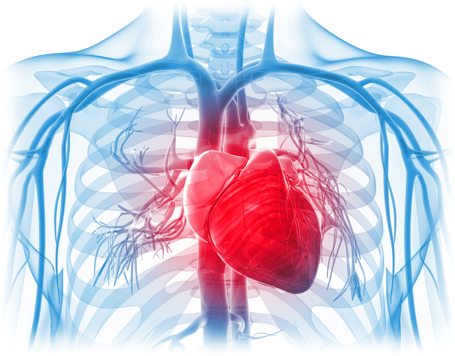
Management of cardiogenic shock associated with valvular heart disease (VHD). Triggers of Cardiogenic Shock Initial Management: Fast Re-Evaluation for Persistent Cardiogenic Shock: Valve-Specific Interventions: Based on the type of VHD:
Mediverse Blog
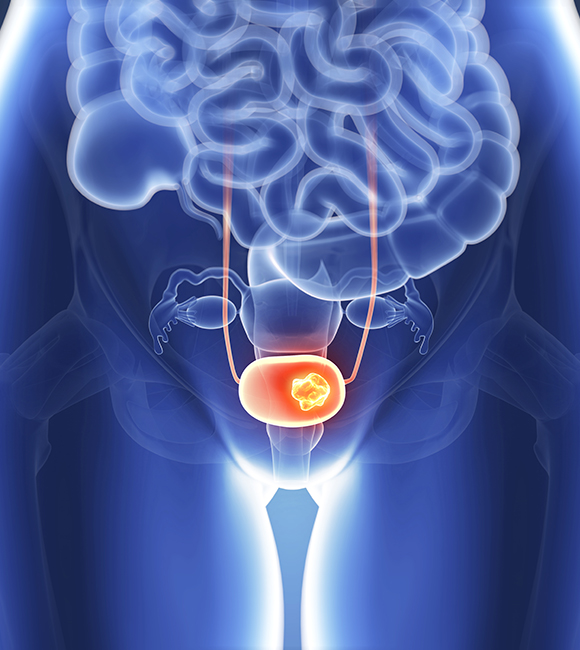
Urinary Tract Infection Prevention in Neurogenic Bladder- Introduction: Patients with neurogenic bladder (NGB), caused by central or peripheral nervous system disorders such as spinal cord injury (SCI), multiple sclerosis (MS), spina bifida (SB), cerebral palsy, or Parkinson’s disease, often experience impaired bladder function. Urinary tract infections (UTIs) are the most common complication in this population, […]
Mediverse Blog
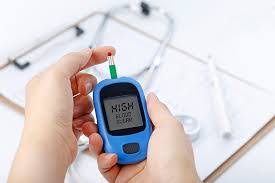
Introduction: Type 2 diabetes (T2DM) in children and adolescents has become a significant concern, particularly given its link to obesity and potential long-term vascular complications, similar to adult-onset diabetes. Pediatric T2DM differs from adult-onset disease in that it often has more aggressive progression, including difficulties in maintaining long-term glycemic control and earlier complications. The TODAY […]

Mediverse Blog
Recommendations for managing chronic kidney disease (CKD) in people with diabetes, focusing on glucose management, blood pressure control, and various treatments and monitoring strategies to slow CKD progression. Optimize Glucose Management: Optimize Blood Pressure Control: Monitoring and Medication Adjustments: SGLT2 Inhibitors for CKD Progression: Additional Cardiovascular Risk Reduction: Albuminuria Management: Dietary Protein Recommendations: Referral to […]